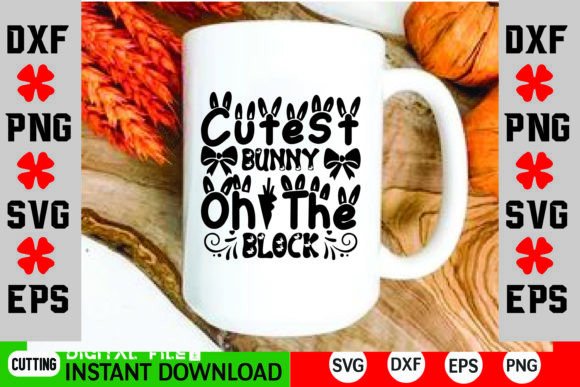
Cutest Bunny on the Block: Graphics & Crafts Review
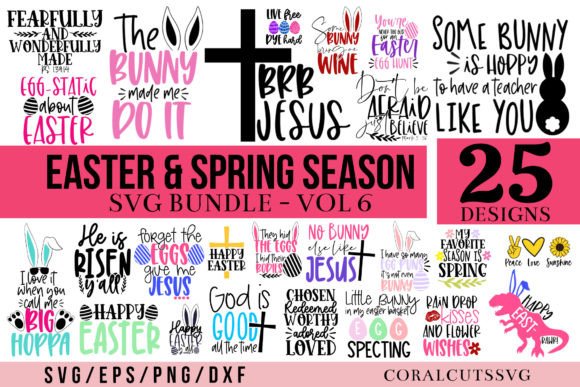
When I first opened the Cutest Bunny on the Block design bundle, I was looking for a fresh asset for a spring campaign for a local handmade boutique. The client wanted something that felt warm, faith-filled, and visually charming without tipping into saccharine territory. As a designer who works across branding, packaging, social media, and print-on-demand, I have learned to spot a versatile asset quickly. This set of Christian Easter SVG designs immediately struck me as a thoughtful collection that balances whimsy with reverence. The bunny motif is executed with a gentle hand, and the overall mood tilts toward cozy, family-friendly, and spiritually meaningful. It is the kind of graphic design asset that whispers rather than shouts, and that is exactly what many small business branding projects need during the Easter season.
A Whimsical Yet Grounded Visual Mood
The first thing I noticed about Cutest Bunny on the Block is how the illustrations manage to feel both playful and dignified. The bunny character is sweet without being cartoonish, and the accompanying Christian Easter iconography is integrated naturally rather than forced. For a designer evaluating a creative design asset, this matters a great deal. The collection sits comfortably in a niche that many crafters and small business owners struggle to fill: seasonal religious designs that still feel modern and marketable. The line work is clean, the shapes are well-proportioned, and the overall composition leaves room for text overlays, branding elements, or additional decorative layers. Whether you are building a brand identity for a church event, designing product labels for a faith-based Etsy shop, or creating social media graphics for a boutique bakery's Easter campaign, the asset provides a solid visual foundation without dictating the entire layout.
The Real Client Project That Made Me Reach for This Asset
Let me set the scene. A client of mine runs a small handmade business selling custom mugs, tote bags, and wooden signs with faith-based messages. She wanted to launch an Easter collection that felt cohesive, professional, and emotionally resonant. Her existing brand uses soft pastels, serif fonts, and a rustic farmhouse aesthetic. I needed a design bundle that could be adapted across multiple formats: t-shirt designs for her online store, sticker sheets for packaging inserts, a printable design for wall art, and a Canva template for her social media posts. Cutest Bunny on the Block became the anchor of the entire campaign. The bunny illustration worked beautifully as a hero graphic on the front of a mug, while the accompanying SVG elements allowed me to build supporting patterns for wrapping paper and tissue inserts. The file types in the zipped package included SVG files compatible with Cricut cutting machines and Silhouette systems, which meant my client could also produce physical vinyl decals for her product line. For a creative design asset that needs to function across digital and physical mediums, this bundle delivered.
Where Cutest Bunny on the Block Shines Brightest
In my experience, no single design asset works everywhere, but Cutest Bunny on the Block performs exceptionally well in specific use cases. It is ideal for large layout areas such as hero graphics on websites, poster designs for community Easter events, and product mockups where the illustration needs to carry the emotional weight of the composition. The bunny character works wonderfully as a focal point on t-shirt designs, mugs, and tote bags because the silhouette is clear and the details translate well to fabric or ceramic surfaces. For packaging design, the asset can be used as a decorative accent on gift boxes, tags, and labels, especially when paired with a clean sans serif or a gentle handwritten font. I also found it highly effective for social media graphics and Pinterest pins, where the warm, inviting aesthetic naturally attracts engagement. If you are building a Canva template for a spring campaign, the asset integrates smoothly because the shapes are well-defined and the color palette is easy to coordinate with existing brand colors. For sublimation design projects, the line art and solid areas reproduce cleanly, which is a critical consideration for print-on-demand sellers who need consistent results across different substrates.
When to Use This Design Asset with Care
No asset is perfect for every situation, and Cutest Bunny on the Block has some limitations that designers should consider. The delicate details in the bunny illustration can become muddy or lose clarity when scaled down significantly, so I would avoid using it as a tiny accent in crowded layouts, business card designs, or very small product labels. The style leans toward whimsical and illustrative, which means it may clash with minimalist branding, ultra-modern corporate identities, or projects that require a very clean visual hierarchy. If your client is a law firm, a financial services company, or a high-end luxury brand, this asset will feel out of place. Additionally, the Christian Easter theme is specific, so it is not a year-round design asset unless you are working with faith-based clients or seasonal campaigns. On low-contrast backgrounds, the lighter elements of the design can disappear, so I recommend testing the asset on both light and dark surfaces before committing to a final layout. For designers who work primarily with strict brand guidelines, this asset is best used as a supplementary decorative element rather than a primary brand identifier.
Practical Designer Notes Before You Commit
Before using Cutest Bunny on the Block in a commercial project, I always run through a checklist. First, test it in black and white to ensure the contrast and silhouette hold up without color cues. The bunny shape should remain recognizable and balanced. Second, preview it at both small and large sizes on a mockup. I placed the design on a coffee mug, a t-shirt, a sticker sheet, and a social media post template to see how the details translated. The SVG files edited cleanly in my vector software, which is essential for adjusting colors, scaling, or combining elements with other assets. Third, confirm the commercial license terms. As a designer, I need to know whether I can use the asset for client projects, print-on-demand products, and digital downloads. The product description mentioned Christian Easter SVG designs in a zipped file with SVG compatibility for Cricut and Silhouette, which is a strong indicator that the creator intended this for crafters and small business use. However, you should always verify the specific license before selling products that incorporate the design. Fourth, check the PNG transparency if included, and inspect the SVG curves for any stray anchor points or overlapping paths that could cause issues during cutting or printing. Finally, test the asset with different font families. I tried it with a serif, a sans serif, a script, a handwritten font, and a display font. The bunny paired best with a clean sans serif for modern projects and a gentle script for more traditional or sentimental designs.
How Cutest Bunny on the Block Affects Readability and Brand Trust
One of the less obvious considerations when evaluating a graphic design asset is how it influences the overall perception of a brand. Cutest Bunny on the Block has a strong emotional appeal that can build trust and connection with an audience, especially for a handmade business, a church event, or a faith-based product line. The visual warmth invites engagement, and the Christian Easter theme resonates with a specific demographic that values both tradition and tenderness. However, readability can be a concern if the asset is placed too close to text or used as a background pattern without enough contrast. In my client project, I used the bunny as a central hero graphic with the brand name set in a bold sans serif beneath it, and the hierarchy held up well. For social media graphics, the asset drew attention without overwhelming the message. The key is to give the design enough breathing room. In terms of brand consistency, the asset works best when the rest of the visual system supports its style. If your brand uses clean lines, minimal clutter, and a restrained color palette, the bunny can serve as a seasonal accent that feels intentional rather than distracting. For small business owners who need to build visual recognition quickly, this asset can help create a cohesive look across multiple touchpoints, from product packaging to Instagram posts to printed flyers.
The Final Word for Designers and Small Business Owners
After working with Cutest Bunny on the Block across several real project scenarios, I can recommend it as a solid addition to any designer's library of seasonal creative design assets. It is not a one-size-fits-all solution, but for the right client, it delivers a polished, emotionally resonant visual that saves hours of custom illustration time. The SVG files are well-structured, the design bundle offers enough variety for multiple applications, and the overall aesthetic is professional enough for commercial use while remaining accessible to crafters and Cricut users. If you are a marketer planning a spring campaign, a print-on-demand seller building an Easter collection, a blogger looking for blog visuals that feel personal, or a brand owner preparing product labels for a holiday launch, this asset is worth downloading and testing. Just remember to check the commercial license, test it in your specific layout, and give the bunny room to breathe. In the right hands, Cutest Bunny on the Block can transform a simple Easter project into a cohesive, trust-building visual experience that your audience will remember.